


What Is a Fuel Injector?
Fuel injectors are integral components of modern combustion engines, designed to deliver fuel into the engine's cylinders in a precise and controlled manner. Optimal engine performance relies heavily on the efficiency of the fuel injector, which ensures that fuel is atomized into fine particles, facilitating effective mixing with air before ignition. This process is crucial for achieving maximum combustion efficiency, better fuel economy, and lower emissions.
However, like any mechanical component, fuel injectors can develop issues over time due to factors such as contaminants in the fuel or wear and tear from regular use. Recognizing the symptoms of a failing fuel injector is critical for maintaining engine performance and preventing more significant problems.
Related Reading: The Benefits of Owning a Personal OBD2 Scanner
Symptoms of a Failing Fuel Injector
Identifying problems early can save time and money, and here are the primary symptoms that suggest a fuel injector is not performing optimally:
Engine Performance Issues: When a fuel injector is not delivering a consistent and correct amount of fuel, the balance of the air-fuel mixture in the engine is disturbed. This imbalance can lead to issues such as rough idling, stalling, and a noticeable decrease in power during acceleration.
Increased Fuel Consumption: A malfunctioning injector can cause the engine to run lean (too much air relative to the amount of fuel) or rich (too much fuel relative to the amount of air). Both scenarios can lead to inefficient fuel use and increased consumption.

Misfiring Engine: If an injector is clogged or leaking, it can lead to misfiring. This occurs when the fuel does not ignite properly in the combustion chamber, causing the engine to run unevenly and reducing its efficiency and performance.
Engine Knocking: A clogged injector may cause the air-fuel mixture to become too lean, which in turn can lead to engine knocking. This knocking noise is often due to the premature ignition of the fuel and can potentially cause significant damage to the engine.
Check Engine Light Comes On: Modern vehicles are equipped with advanced diagnostic systems that monitor the performance of various components, including fuel injectors. If the system detects an issue with a fuel injector, it may trigger the check engine light on the dashboard.
Additional Symptoms of a Bad Fuel Injector
How to Diagnose a Bad Fuel Injector
Diagnosing a bad fuel injector usually involves observing engine behavior, checking trouble codes, and performing basic fuel system tests. Common signs such as rough idle, misfires, fuel smell, or hesitation during acceleration can indicate injector-related problems.
Some common diagnostic methods include:
- - Observe idle smoothness, acceleration response, and exhaust smoke color.
- - Using an OBD2 scanner to check for misfire or fuel system codes
- - Listening for injector clicking sounds with a screwdriver or mechanic’s stethoscope
- - Inspecting fuel trims and live engine data, large positive or negative fuel trims may point to injector fuel delivery issues.
- - Performing an injector balance test
- - Checking for fuel leaks around the injector seals
Codes such as P0201 to P0208, P0300, or P0171 may indicate injector circuit or fuel delivery issues.
Can Fuel Injectors Be Cleaned or Replaced?
In many cases, clogged fuel injectors can be cleaned rather than replaced, especially when the issue is caused by carbon deposits or fuel varnish buildup. Fuel injector cleaning may help restore proper spray patterns, improve fuel delivery, and reduce symptoms such as rough idle or hesitation.
However, cleaning may not solve the problem if the injector has internal electrical failure, severe leakage, or mechanical damage.
In general:
| Fuel Injector Condition | Cleaning May Help? | Replacement Recommended? |
|---|---|---|
| Carbon buildup or partial clogging | √ | Usually not necessary |
| Poor spray pattern | Often | Sometimes |
| Injector leaking fuel | Rarely | √ |
| Electrical solenoid failure | × | √ |
| Cracked injector body | × | √ |
If symptoms remain after cleaning, further injector testing or replacement may be required.
Diagnostic and Maintenance Tips
Regular maintenance and early diagnostics are key to extending the life of fuel injectors and ensuring optimal engine performance:
Regular Fuel System Cleaning: Incorporating fuel system cleaner or a fuel injector cleaning machine ( Like AJ400 ) into your maintenance routine can help prevent the build-up of fuel varnish and carbon deposits, which can clog the injectors. This is particularly important for vehicles that frequently use lower quality fuels.
ANCEL AJ400 M Injector Cleaner & Tester
- Ultrasonic Cleaning
- Injector Flow Testing
- Multiple Injector Compatibility
- Leakage & Resistance Test
- DIY & Small Workshop Friendly
Use of High-Quality Fuel: Utilizing high-quality fuel with fewer contaminants can significantly reduce the risk of injector clogging. Higher octane fuels may also benefit engines designed to operate at higher compression ratios.
Professional Fuel Injector Testing and Calibration: Periodically, having a professional technician test and calibrate your fuel injectors can ensure they are delivering the correct amount of fuel. This process can help identify issues before they lead to more significant engine problems.
What Causes Fuel Injectors to Go Bad?
The most common cause of fuel injector failure is carbon buildup caused by contaminated or low-quality fuel. Over time, fuel deposits can restrict injector spray patterns, reduce fuel atomization efficiency, and eventually lead to clogging or inconsistent fuel delivery.
Some of the most common causes of fuel injector failure include:
- - Dirty or low-quality fuel that leaves carbon deposits inside the injector
- - Clogged injector nozzles caused by fuel varnish buildup
- - Electrical issues within the injector solenoid or wiring
- - Long-term exposure to engine heat and vibration
- - Moisture or contaminants entering the fuel system
- - Lack of regular fuel system maintenance
- - Normal wear and tear from high mileage and constant thermal cycling also degrade internal injector components.
- -Frequent short trips prevent the fuel system from reaching optimal operating temperature, allowing carbon buildup to accumulate faster.
In many cases, injector problems develop gradually rather than failing instantly. Early maintenance and periodic inspection can help prevent severe injector damage.
| Cause | How Common Is It? | Typical Result |
|---|---|---|
| Carbon buildup from poor fuel quality | ★★★★★ | Clogged injectors and poor spray pattern |
| Fuel varnish deposits | ★★★★★ | Restricted fuel flow and lean misfires |
| Electrical solenoid failure | ★★★☆☆ | Dead injector or cylinder misfire |
| Heat and vibration damage | ★★★☆☆ | Internal wear and inconsistent operation |
| Moisture or contaminated fuel | ★★☆☆☆ | Corrosion and injector sticking |
| High mileage wear | ★★★★☆ | Reduced injector efficiency over time |
Can a Bad Fuel Injector Damage the Engine?
Yes. A bad fuel injector can potentially lead to serious engine damage if left unresolved for an extended period.
A clogged injector may cause the engine to run too lean, increasing combustion temperatures and potentially damaging pistons or valves. On the other hand, a leaking injector can allow excessive fuel into the cylinder, leading to carbon buildup, oil dilution, catalytic converter damage, or severe misfires.
In some cases, continued driving with a faulty injector may also reduce fuel economy and place additional stress on ignition components.
What Should You Do If You Notice Bad Fuel Injector Symptoms?
If you notice bad fuel injector symptoms such as rough idle, misfires, poor fuel economy, or a fuel smell, take action early to prevent further engine damage.
- 1. Scan for Trouble Codes
Use an OBD2 scanner to check for injector-related trouble codes and inspect live engine data such as fuel trims and misfire counts.
- 2. Look for Visible Warning Signs
Inspect the engine for fuel leaks, black exhaust smoke, unusual engine noise, or strong fuel odor.
- 3. Start With Fuel System Cleaning
If symptoms are mild, a professional fuel system cleaning service may help remove carbon buildup and restore injector spray performance.
- 4. Schedule Professional Inspection if Symptoms Continue
Persistent misfires, fuel leaks, or rough running may indicate a failing injector that requires testing, calibration, or replacement.
Conclusion
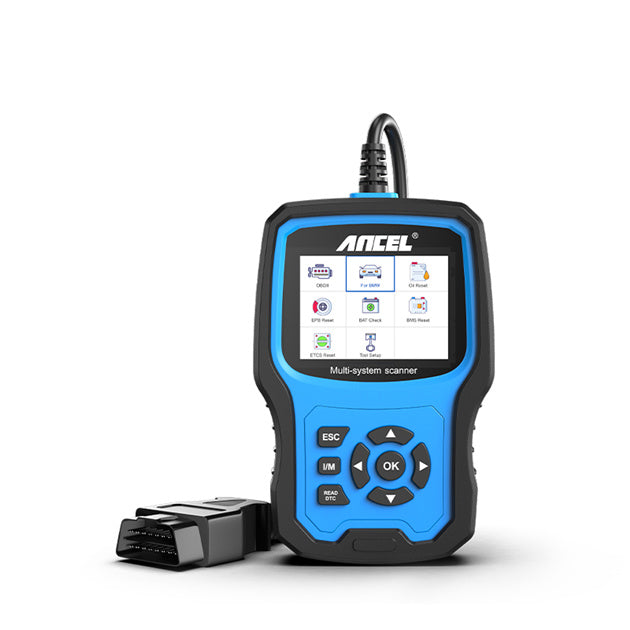
Maintaining the health of your vehicle's fuel injectors is essential for optimal engine performance and efficiency. Recognizing the symptoms of injector issues, such as engine misfires, increased fuel consumption, and uneven performance, allows you to address these problems promptly. Regular maintenance, which includes using high-quality fuels and additives, is vital for keeping your fuel injectors functional. To ensure your car's injectors are performing well, using ANCEL's car scanner for thorough inspections.
FAQs
Can using a car scanner void my vehicle's warranty?
Merely using a car scanner should not void your vehicle's warranty. However, making unauthorized modifications based on the scanner's diagnostics might impact warranty coverage.
What features should I look for in a car scanner?
When choosing a car scanner, consider features like the ability to read and clear error codes, provide real-time data, compatibility with your vehicle, ease of use, and any additional software that might help with more detailed diagnostics.
How do I update my car scanner?
Many modern car scanners allow updates via a USB connection to a computer or directly through the internet. Regular updates can help your scanner stay effective as new vehicle models and technologies emerge.
What happens when fuel injectors go bad?
Failing injectors lead to rough idle, reduced acceleration, higher fuel consumption, exhaust smoke, and frequent misfires. Severe cases can cause engine stalling and permanent component damage.
How long do fuel injectors usually last?
Fuel injectors can often last between 50,000 and 100,000 miles, depending on fuel quality, driving habits, and maintenance frequency. Vehicles using low-quality fuel or lacking regular fuel system cleaning may experience injector problems earlier.
Can a Bad Fuel Injector Trigger a Check Engine Light?
Yes. A failing fuel injector can disrupt the air-fuel mixture and trigger the check engine light. Common injector-related trouble codes include P0201–P0208, random misfire codes, and lean or rich fuel condition codes depending on how the injector fails.
How can I tell if my fuel injectors are faulty?
You can tell if your fuel injectors are faulty by checking for obvious performance symptoms and running simple basic diagnostics. Common signs of faulty fuel injectors include:
- - Rough idle
- - Engine misfires
- - Poor acceleration
- - Reduced fuel economy
- - Hard starting
- - Fuel smell around the engine
- - Black or unusual exhaust smoke
You can also perform several basic checks to help confirm injector problems:
- - Scan for trouble codes using an OBD2 scanner
- - Check fuel trim data for lean or rich conditions
- - Listen for uneven injector clicking sounds
- - Inspect for fuel leaks around injector seals
- - Observe engine behavior during cold starts or acceleration
In many cases, injector problems develop gradually. Intermittent misfires, hesitation under load, or symptoms that worsen during cold starts are common early signs of a failing fuel injector.


1 thought on “Common Symptoms Of A Bad Fuel Injector”
Octavio Ramos
Dear Sirs, in reference to Ancel AD530, I completely understand the characteristics of this device, but I have a question: Does the AD530 has the support capacity to verify a Lincoln Continental 1997? Because I can’t to enter the parameters of my car VIN, etc