


Tire Pressure Monitoring Systems (TPMS) have become a crucial part of vehicle safety, helping drivers maintain optimal tire pressure and prevent potential blowouts or accidents.
But like any other vehicle component, these sensors wear out over time and need to be replaced.
Factors That Affect the Cost of Replacing a TPMS Sensor
Several variables can influence how much you'll pay to replace a TPMS sensor.
-
Type of Sensor (OEM vs. Aftermarket): Original Equipment Manufacturer (OEM) sensors are typically more expensive than aftermarket ones but are guaranteed to be fully compatible with your vehicle. Aftermarket sensors can be cheaper, but you risk potential compatibility issues or reduced lifespan.
-
Labor Costs: The price of labor can vary significantly depending on where you take your vehicle. Dealerships tend to charge higher labor fees compared to independent shops, though they offer the reassurance of using certified technicians and original parts.
-
Vehicle Make and Model: Some vehicles require more expensive or specialized TPMS sensors, and luxury cars, in particular, may come with premium parts that drive up the cost.
-
Location: The cost of auto repair services, including TPMS sensor replacement, can fluctuate depending on your geographic location. In areas with a higher cost of living, like large cities, labor and parts tend to be more expensive.
Related Reading: When the TPMS Light Comes On: Causes and Solutions
How to Know if Your TPMS Sensor is Bad
One of the most reliable ways to determine if your TPMS sensor is malfunctioning is by using a car scanner.
Car diagnostic scanner, like the ANCEL X7 or ANCEL X6PRO, can quickly diagnose the issue by reading fault codes directly from your vehicle's onboard computer.
When a TPMS sensor goes bad, it typically triggers specific diagnostic trouble codes (DTCs), such as:
- C1235: TPMS sensor malfunction
- C1236: Low tire pressure detected
- C1237: TPMS sensor communication failure
These codes will help pinpoint whether the sensor itself is faulty, if it's failing to communicate with the car’s computer, or if there’s another related issue.
Using car scanners to check for these codes can save you time and money by confirming the exact problem before heading to a repair shop.

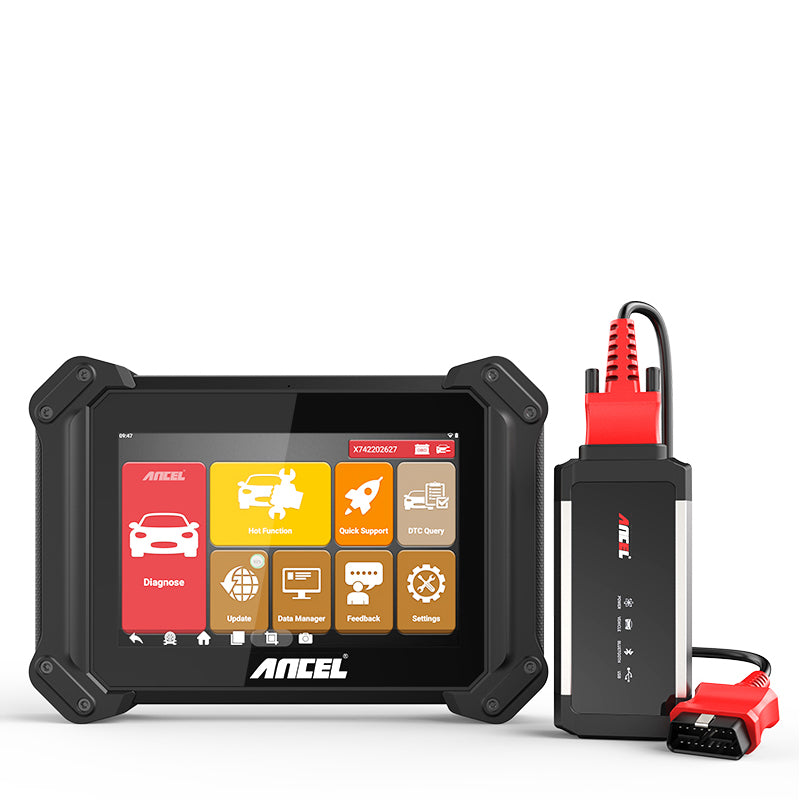 ANCEL V6 PRO+ Bluetooth Bidirectional Scan Tool Full System Car Diagnostic Tool Key Programmer
$439.99
TPMS Sensor Warranty
Are TPMS sensor replacement costs covered under warranty?
TPMS sensors are covered under a manufacturer’s warranty or extended warranty plans.
However, coverage varies widely depending on the vehicle’s make, the terms of the warranty, and the age of the vehicle.
Some warranties cover TPMS sensors for the first 3-5 years, while others may only offer partial coverage.
Before heading to the shop, it’s worth reviewing your vehicle’s warranty to see if TPMS sensor replacement is included.
This could save you a significant amount of money, especially if the sensor failure is caused by a manufacturing defect.
DIY vs. Professional Replacement
Can you replace a TPMS sensor yourself to save money? The answer is yes, but it comes with some caveats.
Replacing a TPMS sensor requires a specific skill set and specialized tools, including a tire pressure sensor relearn tool to sync the new sensor with your vehicle’s computer.
For those comfortable with car repairs and equipped with the right tools, DIY replacement can save on labor costs, which range from $50 to $150 depending on where you go.
However, if the sensor needs recalibration, this might be a challenge without professional equipment, and incorrect installation can lead to inaccurate readings or even system failure.
TPMS Repair Cost vs. Replacement Cost: Which Is Cheaper?
In most cases, TPMS sensors are not repairable. The internal battery is sealed, and once it fails, the entire sensor must be replaced.
Some shops may advertise TPMS “repair” services, but these usually involve:
- - Reprogramming or relearning the sensor
- - Replacing valve stems or seals
- - Clearing TPMS fault codes
These services typically cost $25–$100 and do not fix a dead sensor battery. If your TPMS fault is caused by sensor battery failure, replacement is the only long-term solution.
Labor Costs
Labor costs for TPMS sensor replacement typically range between $50 and $150, depending on whether you take your car to a dealership or an independent shop.
Dealerships often charge more for labor, though you get the benefit of certified technicians who specialize in your vehicle's make and model.
Independent mechanics generally offer lower rates, but it's important to ensure they have experience working with TPMS sensors to avoid issues.
Some vehicles may require recalibration after replacing the sensor, which can add to the labor cost.
Always ask upfront if recalibration is included in the labor fee, as it can sometimes be charged as an extra service.
Cost Efficiency: Single vs. Multiple Sensors
Is it cheaper to replace all TPMS sensors at once?
The short answer is yes.
TPMS sensors typically have a lifespan of 5 to 10 years, and they often fail around the same time.
If one sensor is bad, the others are likely not far behind.
Replacing all four sensors at once can save on labor costs, as the technician can do the entire job in one go, rather than having to perform the task multiple times as each sensor fails.
Additionally, some repair shops and dealerships may offer a discount for replacing all sensors at once, making this a more cost-effective option in the long run.
How long does a TPMS sensor last before needing replacement?
TPMS sensors generally last between 5 to 10 years, depending on factors such as the type of sensor and the environment.
Most sensors use a battery that is non-replaceable, and once the battery dies, the entire sensor must be replaced.
Extreme weather conditions, like excessive heat or cold, can shorten the lifespan of TPMS sensors.
Vehicles used for off-road driving or those that frequently encounter rough terrain may also experience faster sensor wear and tear.
OEM vs. Aftermarket Sensors
When considering cost, are aftermarket TPMS sensors cheaper than OEM sensors?
Yes, aftermarket sensors are generally less expensive than their OEM counterparts, sometimes costing up to 50% less.
However, the lower price can come with trade-offs in quality, compatibility, and longevity.
OEM sensors are designed specifically for your vehicle's make and model, ensuring seamless integration and reliable performance.
On the other hand, aftermarket sensors, while cheaper, may not always be compatible with your vehicle’s system or may require additional steps to program correctly.
Recalibration After Replacement
Does replacing a TPMS sensor require recalibration?
In many cases, yes. After replacing a TPMS sensor, your vehicle may need to "relearn" the new sensor.
This process involves syncing the new sensor with your car's onboard computer to ensure it accurately monitors tire pressure.
Some vehicles will automatically recalibrate the new sensor after a short drive, while others require a manual recalibration process using specialized tools.
Recalibration fees can range from $25 to $100, depending on the vehicle and the shop performing the service.
To save on recalibration fees, which typically range from $25 to $100, you can use your own car scanner, such as the ANCEL X7 or ANCEL X6PRO, both of which are equipped with TPMS calibration capabilities.
Dealership vs. Independent Shop Pricing
How much do TPMS sensors cost at a dealership versus an independent shop? Dealerships tend to charge more for both parts and labor.
A single TPMS sensor at a dealership can cost between $100 and $300, depending on the make and model of your vehicle. Independent shops often offer more competitive prices, with sensors costing between $50 and $200.
Dealerships provide OEM sensors, ensuring perfect compatibility with your vehicle.
Independent shops may use aftermarket sensors, which could be less expensive but may not offer the same level of performance or longevity.
A failing or faulty TPMS sensor can cause inaccurate readings, leading you to believe your tire pressure is either too high or too low when it's not.
This can compromise your vehicle's safety and efficiency.
Maintaining accurate tire pressure is critical for fuel efficiency, tire longevity, and overall driving safety.
If your TPMS light is on or if you're getting incorrect readings, it's important to have the sensor inspected and replaced if necessary.
TPMS Replacement Cost by Brand & Retailer (Toyota, Subaru, Costco, Discount Tire, and More)
Through on-site research and price statistics conducted by our team, we found that the replacement cost of tire pressure monitoring system sensors varies significantly. The price difference does not come from the sensors themselves, but from different vehicle brands and repair shops, with total costs varying by as much as $200 to over $1,000.
Toyota TPMS Sensor Replacement Cost
For most Toyota models (Corolla, RAV4, Camry), real-world pricing typically falls into two extremes:
- Toyota dealerships:
$100–$150 per sensor
Total for four sensors: $750–$1,200 installed
- Tire chains & warehouse clubs:
$35–$65 per sensor
Total for four sensors: $180–$300 installed
Many Toyota owners report saving $700–$800 by avoiding the dealership and using retailers like Costco or Discount Tire instead. And you do NOT need to replace TPMS sensors with every tire change.
Subaru TPMS Sensor Replacement Cost
Subaru dealership quotes are consistently among the highest:
- Subaru dealer quotes:
~$125 per sensor
$400–$500 labor
$800–$1,000 total is common for four sensors
- Non-dealer options:
Discount Tire: under $300 installed for all four
Costco: $175–$250 total, often including programming
Independent shops: $75–$100 per sensor installed
For Subaru owners, the cost difference is dramatic—many report paying one-third of the dealer quote by switching retailers.
Costco, Discount Tire & Belle Tire: What They Really Charge
Across multiple regions and vehicle brands, pricing clusters into a predictable range:
- Costco TPMS replacement cost
$175–$260 for all four sensors
Programming usually included
- Discount Tire TPMS replacement cost
$250–$300 installed (often less during tire replacement)
TPMS reset frequently free
- Belle Tire TPMS replacement cost
~$75–$90 per sensor installed
$300–$360 total for four
These retailers consistently undercut dealership pricing while using compatible aftermarket sensors.
| Provider | Vehicle Brand | Per Sensor | Total (4 sensors installed) |
|---|---|---|---|
| Toyota Dealer | Toyota | $100 – $150 | $750 – $1,200 |
| Subaru Dealer | Subaru | ~$125 | $800 – $1,000 |
| Costco | All brands | $45 – $65 | $175 – $260 |
| Discount Tire | All brands | $60 – $75 | $250 – $300 |
| Belle Tire | All brands | $75 – $90 | $300 – $360 |
| Independent Shop | Toyota / Subaru | $75 – $100 | $300 – $400 |
Bottom Line
- Dealership pricing reflects OEM parts + dealer labor, not better outcomes
- For Toyota and Subaru vehicles, $200–$300 total is a realistic, repeatable target
- Paying $800–$1,000+ is usually avoidable unless warranty or OEM-only requirements apply
Key Facts About TPMS Batteries
- TPMS batteries are not serviceable or replaceable
- When the battery dies: full sensor replacement required
- Typical battery life: 5–10 years
- Any quote labeled as “battery replacement” is functionally full sensor replacement
Cheapest Way to Replace a TPMS Sensor
we’ve verified the most affordable methods based on real owner experiences:
- Replace sensors during tire installation (labor is often free or heavily discounted)
- Buy aftermarket sensors online ($20–$40 each) and install at a tire shop
- Use warehouse clubs or national tire chains instead of dealerships
Following these methods can reliably keep the total cost for all four sensors under $300.
Conclusion
While the cost can vary depending on factors such as sensor type, labor rates, and the need for recalibration, understanding your options can help you make an informed and cost-effective decision.
Whether you choose to replace one sensor at a time or all of them at once, maintaining a functional TPMS system is key to keeping your vehicle in top shape.
FAQs
Can I drive with a malfunctioning TPMS sensor?
Yes, you can technically drive with a malfunctioning TPMS sensor, but it's not recommended. Without accurate tire pressure monitoring, you may not know if a tire is dangerously underinflated, which can lead to reduced fuel efficiency, increased tire wear, or even a blowout.
Will my car fail an inspection if the TPMS sensor is broken?
In many regions, a vehicle with a malfunctioning TPMS sensor may fail inspection, especially in areas where TPMS is required by law for safety. It's essential to check local regulations, but keeping the system functional ensures both compliance and safety.
Do TPMS sensors need to be replaced when getting new tires?
Not necessarily. TPMS sensors do not always need replacement when installing new tires, but it's a good idea to have them inspected to ensure they are still functional. If the sensor batteries are near the end of their lifespan, it’s often more cost-effective to replace them during tire installation.
How Long Do TPMS Sensors Last?
Most TPMS sensors last between 5 and 10 years. Their lifespan is limited by a sealed internal battery, which cannot be replaced.
Factors that affect TPMS sensor lifespan include:
- - Driving frequency and mileage
- - Extreme heat or cold
- - Road salt and corrosion
- - Sensor type (OEM vs aftermarket)
Once the battery dies, the entire sensor must be replaced.
What is the Average Cost of Installing TPMS in a Fleet?
For fleet vehicles, the average cost of installing TPMS sensors is typically lower per vehicle than individual replacements.
-
On average:
- $40–$60 per sensor (bulk pricing)
- $160–$240 per vehicle (four sensors installed)
- Large fleets may reduce total cost by 20–40% through volume discounts and centralized labor -
Fleet installation costs depend on:
- Number of vehicles
- Sensor standardization
- In-house vs outsourced installation
- Relearn and calibration workflow
For fleets, replacing TPMS sensors in batches during scheduled tire service is the most cost-effective approach.


