 Skip to content


What Does the Airbag Warning Light Mean?
The airbag warning light, sometimes called the SRS warning light or airbag warning lamp, indicates that the vehicle's Supplemental Restraint System (SRS) has detected a fault.
When this light stays illuminated or begins flashing, the airbag system may not function properly during a collision. In many vehicles, the warning light appears as a seated passenger with a deployed airbag in front of them, while some dashboards display the word “AIRBAG” or “SRS.”
It's important to distinguish between different airbag-related indicators:
Passenger Airbag On Light
The passenger airbag ON light usually indicates that the front passenger airbag is active and ready to deploy if needed. This is generally a normal operating indicator rather than a warning light.
Passenger Airbag Off Light
The passenger airbag OFF light commonly appears when the vehicle detects a child seat, a lightweight occupant, or when the passenger airbag has been manually disabled. In most situations, this is not a fault condition.
Red Airbag Light or Airbag Warning Lamp
A red airbag light or illuminated airbag warning lamp typically indicates a problem within the SRS system, such as a faulty sensor, damaged wiring, seat belt pretensioner issue, or an airbag control module fault. Diagnostic scanning is usually required to identify the exact cause.
What Does "Service Airbag System" Mean?
When a vehicle displays a message such as "Service Airbag System," "Airbag System Service Required," or "Check SRS Airbag System," it means the Supplemental Restraint System (SRS) has detected a fault that requires attention.
Unlike a normal startup self-test, this warning indicates that one or more components within the occupant protection system may not function properly in the event of a collision.
The warning itself does not identify the exact failed component. The fault may involve airbags, seat belt pretensioners, crash sensors, occupant detection sensors, wiring, or the SRS control module.
When this message appears, the vehicle typically stores one or more SRS diagnostic trouble codes that can be retrieved using a compatible airbag diagnostic scanner.
Although the vehicle may still be drivable, the airbag system's ability to provide protection during an accident could be reduced or disabled until the fault is repaired.
Why is My Airbag Light On
The airbag warning light on your dashboard can be a cause for concern, and rightly so. This light usually means there's an issue with your car's airbag system that needs immediate attention.
Common reasons include a malfunctioning sensor, a problem with the airbag module, or even issues with the seat belts. If the system detects any faults, it will trigger the warning light to alert you to a potential safety issue.
Modern vehicles are equipped with sophisticated onboard diagnostics (OBD) that continuously monitor various systems, including the airbag system. The airbag control module, which is often located under the driver's seat or in the center console, plays a crucial role in this process.
It receives signals from multiple sensors placed throughout the vehicle and determines whether the airbags should be deployed in the event of a collision.
Why Is My Airbag Light Flashing?
A flashing airbag light usually indicates that the vehicle has detected an active fault within the Supplemental Restraint System (SRS).
Unlike a light that briefly illuminates during startup, a continuously flashing airbag light often means the system requires immediate diagnosis.
Common causes include:
- Faulty crash sensors
- Damaged seat belt pretensioners
- Loose wiring beneath the front seats
- Low battery voltage
- Airbag control module faults
- Communication errors between SRS components
In some vehicles, the flashing pattern may correspond to a specific diagnostic trouble code, making a SRS airbag scanner essential for accurate diagnosis.
Why Is the Passenger Airbag Light Flashing When the Car Is Off?
If the passenger airbag indicator continues flashing after the engine has been turned off, it may be related to residual electrical power, an occupant detection sensor issue, or a fault stored in the SRS system.
Possible causes include:
- Malfunctioning passenger occupancy sensor
- Faulty seat wiring connection
- Low battery voltage
- Airbag control module faults
While some vehicles briefly illuminate certain indicators after shutdown as part of a self-check process, persistent flashing should be inspected to ensure the airbag system is operating correctly.
Why Are the Airbag and Seat Belt Lights On at the Same Time?
The airbag system and seat belt system work together as part of the vehicle's occupant protection system.
When both warning lights appear simultaneously, the issue is often related to components shared between the two systems.
Common causes include:
- Faulty seat belt pretensioners
- Damaged buckle sensors
- Occupant classification sensor faults
- Wiring problems beneath the seats
- SRS control module errors
Because these systems are interconnected, diagnosing both warning lights together often provides a more accurate picture of the underlying fault.
What Causes an SRS System Malfunction?
An SRS system malfunction occurs when the vehicle detects a problem that could prevent airbags or seat belt pretensioners from operating correctly during a collision.
Common causes include:
- Failed impact sensors
- Defective airbag modules
- Damaged wiring harnesses
- Corroded electrical connectors
- Seat occupancy sensor failures
- Low system voltage
- Previous accident damage
When an SRS malfunction is detected, the vehicle typically stores one or more diagnostic trouble codes that can be retrieved using an airbag-capable scan tool.
Because multiple SRS components can trigger similar warning messages, retrieving the stored fault codes is usually the fastest way to identify the exact source of the problem.
What Does a Driver or Passenger Restraint System Malfunction Mean?
Some vehicles, particularly BMW, Mercedes-Benz, and Tesla models, may display messages such as "Driver Restraint System Malfunction", "Passenger Restraint System Malfunction", or "Front Passenger Safety Restraint Fault" instead of a generic airbag warning light.
These warnings indicate that the vehicle has detected a problem within the occupant protection system associated with a specific seating position.
Depending on the vehicle, the fault may involve:
- Seat belt pretensioners
- Occupant detection sensors
- Seat belt buckle switches
- Airbag circuits
- Crash sensors
- Wiring or communication faults
Because these warnings are linked to a specific occupant protection system, the exact cause cannot be determined from the message alone. Retrieving the stored SRS fault codes is usually necessary to identify the affected component and complete the repair.
How to Turn Off an Airbag Light
You need to diagnose the issue. A good starting point is to check the seat belts and ensure they're working correctly, as faulty seat belts can sometimes cause the light to come on.
Next, you should inspect the airbag sensors and connectors under the seats, as loose or damaged connections can also trigger the warning. If you're not comfortable doing this yourself, it's best to take your vehicle to a professional mechanic.
Using a car code scanner is an effective way to identify the specific trouble code causing the airbag light. This code can then guide you to the exact problem, whether it’s a faulty sensor, a loose connection, or an issue with the airbag module itself.
After addressing the issue, the light should turn off, either automatically or by resetting it with the car diagnostic scanner automotive.
Related Reading: Ensuring Brake Safety with Proper ABS Bleeding
How to Reset an Airbag Warning Light
After the underlying fault has been repaired, the airbag warning light can usually be reset using a diagnostic scanner that supports the vehicle's SRS system.
The general process involves:
- Connecting an SRS-compatible scanner to the vehicle's OBD-II port.
- Retrieving stored airbag fault codes.
- Repairing the issue that triggered the warning.
- Clearing the stored SRS codes.
- Verifying that the airbag warning light remains off after restarting the vehicle.
If the fault is still present, the warning light will typically return immediately after the reset procedure.
What Scanner Can Read Airbag Codes
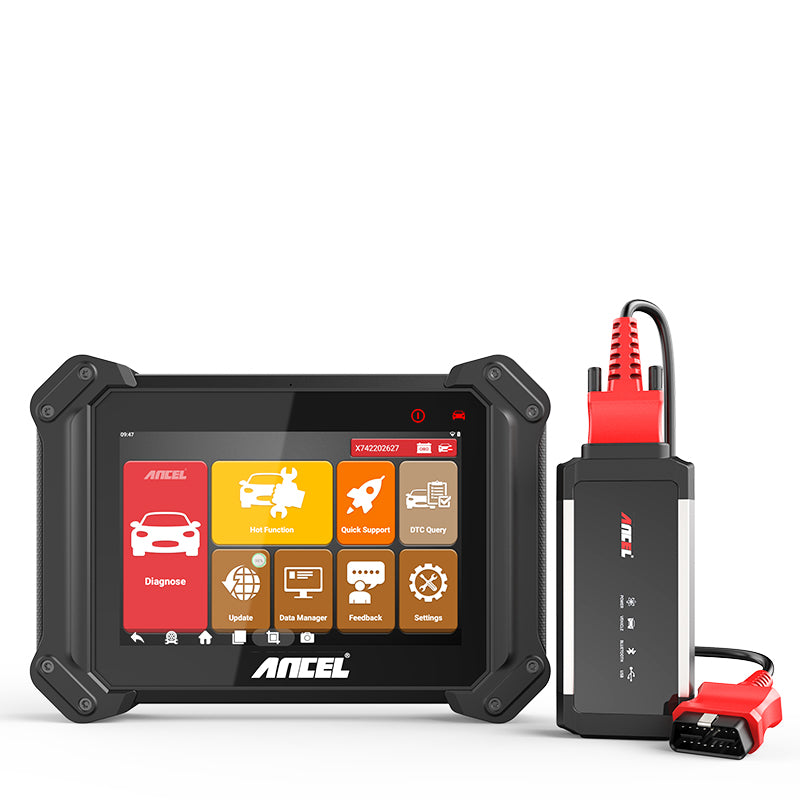
To accurately diagnose the issue, you’ll need an OBD2 scanner such as an srs module reset tool that can read airbag codes. One highly recommended scanner is the ANCEL V6 Pro.
This advanced car diagnostic tool can access your vehicle’s onboard computer and provide detailed information about what's causing the airbag light to stay on. Using the V6 Pro wireless bluetooth OBD2 scanner, you can pinpoint the exact problem and decide on the necessary repairs.
The ANCEL V6 Pro not only reads airbag codes but also provides real-time data, which can be invaluable in diagnosing intermittent issues.
With its user-friendly interface and comprehensive diagnostic capabilities, it’s an excellent investment for anyone serious about vehicle maintenance.
$439.99
How Much Does It Cost to Fix an Airbag Light?
The cost of fixing an airbag warning light can vary significantly depending on the underlying problem.
In some cases, the issue may be as simple as a loose connector or a faulty seat occupancy sensor. In other situations, repairs may involve replacing crash sensors, seat belt pretensioners, or even the airbag control module.
Typical repair costs may include:
| Repair Type | Estimated Cost |
|---|---|
| Diagnostic Scan | $50–$150 |
| Seat Occupancy Sensor Replacement | $100–$500 |
| Crash Sensor Replacement | $150–$600 |
| Seat Belt Pretensioner Repair | $200–$800 |
| Airbag Control Module Repair/Replacement | $300–$1,500+ |
Summary:
- The first step is always to retrieve the stored SRS fault codes using an airbag-capable diagnostic scanner.
- Identifying the exact cause of the warning light can help avoid unnecessary parts replacement and reduce overall repair costs.
Is It Safe to Drive With the Airbag Light On?
No. Driving with the airbag light on isn't ideal. While your car will still run, the airbag system might not deploy in the event of a crash, leaving you and your passengers at greater risk.
It's important to address the issue as soon as possible to ensure your safety. Ignoring the warning could lead to more significant problems down the road, potentially putting you in danger.
The airbag system is designed to work in conjunction with your seat belts to provide maximum protection. If the system is compromised, you lose a critical layer of safety.
Some states have regulations requiring operational airbags, meaning you could face fines or fail vehicle inspections with a persistent airbag light.
What is the Most Common Cause of the Airbag Light
The most common cause of the airbag light coming on is a problem with the seat belt system. Modern vehicles have sensors that detect whether seat belts are fastened and working correctly.
If these sensors fail or if there’s an issue with the seat belt itself, the airbag system might be disabled, causing the warning light to illuminate. Other common issues include faulty airbag sensors, corroded connectors, or a depleted airbag backup battery.
In some cases, even minor collisions or sudden impacts that don't deploy the airbags can trigger the warning light.
This is because the sensors and control modules are designed to be extremely sensitive to ensure they operate correctly in an actual crash. Therefore, it's crucial to have the system checked after any incident, no matter how minor it seems.
Airbags deploy based on data from various sensors that measure things like speed, impact force, and seatbelt usage. When these sensors detect a collision that meets predefined criteria, the airbag control module triggers the deployment process. This involves a rapid chemical reaction that inflates the airbag within milliseconds, providing a cushion that helps reduce the force on occupants.
Types of Airbags
Modern vehicles are equipped with various types of airbags to enhance safety:
-
Front Airbags: Standard in all vehicles, these airbags protect the driver and front passenger during a frontal collision.
-
Side Airbags: Installed in the side of the seats or doors, these protect occupants in the event of a side impact.
-
Curtain Airbags: Located in the roof lining, these deploy to cover the side windows, protecting the heads of occupants in a side collision or rollover.
-
Knee Airbags: Positioned below the dashboard, these airbags help protect the lower extremities of the driver and front passenger.
Maintenance Tips
Maintaining your airbag system involves regular checks and addressing any issues promptly.
Have your airbag system inspected during routine maintenance. Mechanics can check for any issues with the sensors, control module, and wiring.
Address any airbag-related issues immediately. Ignoring the warning light can compromise your safety.
Ensure your vehicle’s battery is in good condition. A weak battery can affect the airbag system's performance.
Airbags are designed to last the lifetime of your vehicle, but certain situations may require replacement:
-
Post-Collision: If your airbags deploy during a collision, they will need to be replaced.
-
Faulty Components: If the airbag system components are found to be faulty or damaged, replacement is necessary to maintain safety.
Conclusion
An airbag warning light is not something to ignore. Ensuring your airbag system is functional is crucial for your safety. Whether it's a simple fix like reconnecting a sensor or something more complex, addressing the issue promptly can prevent potential harm. If you're ever in doubt, consult a professional mechanic to diagnose and fix the problem.
FAQs
Can You Fix an Airbag Light Yourself?
Whether you can repair an airbag warning light yourself depends on the underlying fault.
Some issues, such as loose wiring connectors or low battery voltage, may be relatively simple to diagnose and correct. However, problems involving airbag modules, crash sensors, seat belt pretensioners, or stored crash data typically require specialized diagnostic equipment and repair procedures.
Before replacing any components, it is recommended to perform a complete SRS system scan to identify the exact fault code.
Can I reset the airbag light myself?
Yes, if you have the right tools like an OBD-II scanner, you can reset the airbag light yourself after fixing the underlying issue.
How Much Does It Cost to Fix an Airbag Light?
Airbag light repair costs typically range from $50 to over $1,500 depending on the cause of the problem. Minor issues such as loose connections may require only diagnostic work, while replacing airbag modules, crash sensors, or seat belt pretensioners can significantly increase repair costs.
What happens if I ignore the airbag warning light?
Ignoring the airbag warning light means your airbag system may not function correctly in an accident, significantly increasing the risk of injury.
Can You Remove an Airbag Light Without Fixing the Problem?
In most cases, simply clearing the warning light will not permanently solve the issue.
Modern vehicles continuously monitor the Supplemental Restraint System (SRS). If the underlying fault remains, the airbag light will usually reappear during the next system self-test.
For this reason, diagnosis and repair should always be performed before attempting to clear SRS codes.
Does Disconnecting the Battery Turn Off the Airbag Light?
No. Some drivers attempt to disconnect the vehicle's battery to reset dashboard warning lights. While this may temporarily clear certain electronic memory in some vehicles, it rarely fixes an airbag warning light.
Because SRS faults are typically stored within the airbag control module, disconnecting the battery will not remove active fault codes or repair the underlying problem.
If the issue remains unresolved, the airbag light will usually return once the vehicle completes its next system check.
What Should I Do If the Passenger Airbag Light Is On?
If the passenger airbag indicator remains illuminated unexpectedly, first check whether the seat is occupied and whether any objects are interfering with the occupancy sensor.
If the warning persists, the vehicle may have detected a fault within the passenger airbag system. A diagnostic scan of the SRS system can help identify the underlying cause and determine whether repairs are necessary.
What Should I Do If My Vehicle Shows a Safety Restraint System Warning?
If your vehicle displays a safety restraint system warning, you should schedule a diagnostic inspection as soon as possible.
The warning indicates that part of the Supplemental Restraint System (SRS) may not function correctly during a collision. Although the vehicle may still be drivable, components such as airbags or seat belt pretensioners may not provide their intended level of protection.
Avoid clearing the warning light without first identifying the cause. The recommended first step is to perform an SRS system scan and retrieve any stored fault codes. Once the underlying issue has been repaired, the warning can typically be cleared and the system re-tested.


