


When your vehicle's obd2 scanners present the U0073 code—Control Module Communication Bus "A" Off—it can feel like an ominous warning light. This particular trouble code is related to a communication failure between the control modules within the vehicle.This article delves into the intricacies of the U0073 code and how to resolve it effectively.
What Does the U0073 Code Mean
The U0073 code indicates a communication error between the control modules on the "A" communication bus in your vehicle's network. The control modules rely on a shared data network to send and receive information between various components of the vehicle. When there is a malfunction in the communication system, the error code U0073 is triggered.
The "A" bus typically refers to the primary network used by several essential vehicle components, including the engine control unit (ECU), transmission control module (TCM), ABS module, and other critical modules. This error can lead to loss of communication between those components, which may affect the performance of your vehicle.
Related Reading: How to Diagnose and Fix C0040 Engine Code
Common Symptoms of the U0073 Code
- Check engine light illuminates :sometimes with ABS or traction control warning lights
- Engine hesitation or rough idling:Noticeable power lag or unstable idle speed
- Unresponsive transmission: Delayed shifting, hard shifting, or stuck in gear
- Malfunctioning electronic accessories: E.g., power windows, cruise control failing to operate
- Intermittent loss of communication with OBD2 scanners: Scanner connects/disconnects randomly
- Loss of communication with key systems: ABS, electronic power steering, or cruise control may malfunction
- Vehicle may fail to start or stall unexpectedly: Severe module communication loss affects ECM/BCM
- Intermittent electrical issues: Warning lights flicker or systems work inconsistently
Common Causes of the U0073 Code
There are multiple potential reasons why the U0073 code may appear. Identifying the exact cause of the issue will help you implement an appropriate solution. Below are the most common causes:
1. Faulty Wiring or Loose Connections
One of the most frequent culprits behind the U0073 code is faulty wiring or loose connections. The communication bus relies on uninterrupted signals sent through wires and connectors. If any of these connections become damaged or loose, it can cause communication failures between the control modules.
2. Malfunctioning Control Module
A defective control module can also trigger the U0073 code. If the ECU or another control module fails to send or receive data, the system may become unable to communicate effectively. Faulty modules can occur due to age, wear, or internal malfunctions.
3. Defective or Damaged CAN Bus
The Controller Area Network (CAN) Bus is responsible for facilitating communication between modules. A damaged or degraded CAN bus can interrupt signals, resulting in the U0073 code. Over time, the CAN bus wires may wear out, become corroded, or suffer from electrical interference, affecting the overall functionality of the vehicle's communication network.
4. Software or Firmware Issues
Control modules rely on software and firmware to communicate. A software glitch or outdated firmware in one of the modules can result in communication failure and trigger the U0073 code. Sometimes, these problems can be resolved by updating the vehicle's software or performing a reset.
5. Battery or Electrical Issues
An unstable power source can also cause issues with communication. A weak or faulty battery, poor alternator performance, or electrical problems affecting the fuse box or power distribution module can lead to irregular voltage levels, disrupting the communication between control modules.
6. Interference from Aftermarket Parts
Aftermarket components or accessories can sometimes interfere with the communication bus. When these parts are not properly integrated into the vehicle's system, they can generate electrical noise that disrupts signals traveling through the bus, potentially causing communication errors and the appearance of the U0073 code.
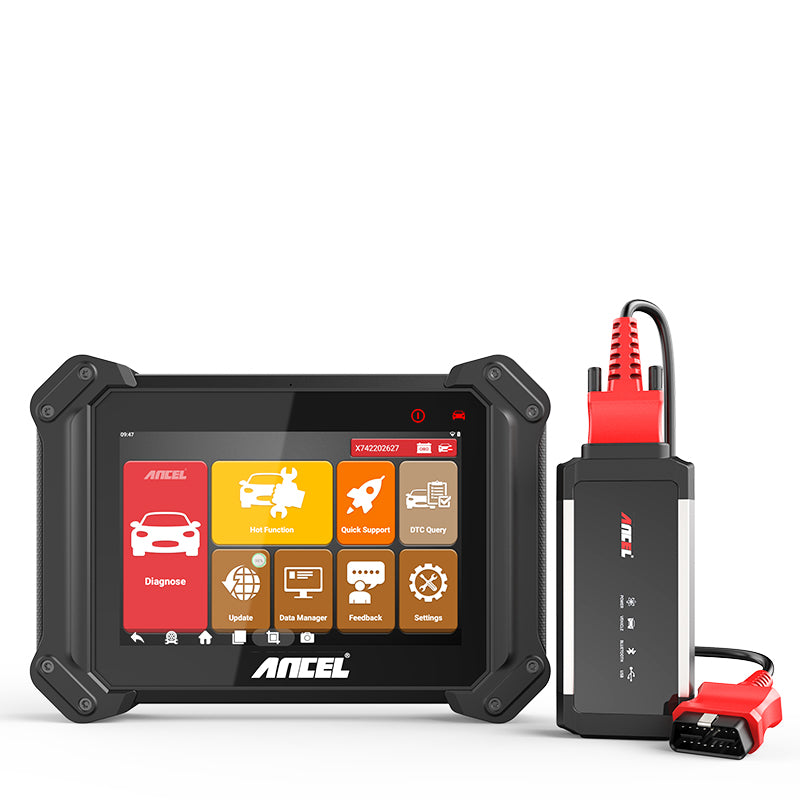
$439.99
Common Causes of the U0073 Code on Chevy Silverado and Other GM Vehicles
While the U0073 code can appear on many vehicle makes, GM models such as the Chevy Silverado show some recurring patterns during real-world diagnostics.
Common causes on Silverado and other GM vehicles include:
- Weak or failing battery, especially after cold weather or recent battery replacement
- Faulty body control module (BCM) or ABS module, both of which play a central role in GM network communication
- Damaged CAN bus wiring or poor ground connections, often caused by vibration or long-term use
- Corrosion at connectors near the fuse box or under the hood, which can interrupt high-speed CAN signals
In some cases, the U0073 code appears alongside multiple warning lights or shortly after electrical work has been performed. Because GM vehicles rely heavily on networked control modules, a single module dropping offline can trigger widespread communication errors across the system.
Diagnosing U0073 on a Chevy Silverado typically requires a full-system scan tool capable of accessing GM-specific modules and identifying which control unit is losing network communication. Simply clearing the code without addressing the underlying cause often results in the code returning.
How Serious Is the U0073 Code?
The U0073 code ranges from mild (warning light only) to severe (stalling/no-start) based on affected modules.
Even mild cases need attention—intermittent issues worsen over time. Moderate cases disrupt ABS/transmission, while severe cases compromise safety systems.
Prompt diagnosis avoids $1,000+ module repairs; tow immediately if stalling occurs.
| Severity Level | Key Symptoms | Driving Recommendations | Critical Notes |
|---|---|---|---|
| 🟡 Mild | Vehicle operates normally; only warning light illuminates | No restrictions for daily short drives | ❗ Don’t ignore: Triggered by weak battery, temporary voltage drop, or brief communication interruption; intermittent issues often worsen over time |
| 🟠 Moderate | Harsh shifts, disabled driver-assistance features (ABS/traction control), multiple warning lights | Short trips are manageable; avoid highways/long distances | Address promptly to prevent escalation to severe cases |
| 🔴 Severe | Limp mode, sudden engine stalling, no-start condition; steering/braking systems may be compromised | 🚫 Vehicle is unsafe to drive—tow to a repair shop immediately | Delays risk secondary damage to essential modules (ECM/BCM), leading to $1,000+ repair costs |
Can You Drive with a U0073 Code?
We do not recommend driving with the U0073 code active. The "A" communication bus connects critical modules like the ECU, TCM and ABS—communication failure may lead to unpredictable performance (e.g., unresponsive transmission, disabled ABS, or engine misfires). If the check engine light flashes or the vehicle shows obvious power loss, tow it to a repair shop immediately.
In mild cases, the vehicle may still be drivable for a short period, especially if the issue is caused by a low battery, minor wiring problem, or temporary communication glitch. However, even in these cases, continued driving is not recommended, as the issue can worsen without warning.
How to Diagnose the U0073 Code
Diagnose U0073 in 2 stages:
- 1) DIY checks (verify battery voltage, inspect OBD2 port, scan for related codes);
- 2) Professional testing (module communication checks, CAN bus voltage measurement, wiring inspection) if DIY fails.
| Diagnosis Stage | Key Steps | Detailed Operations & Notes |
|---|---|---|
| DIY Checks | 1. Battery/System Voltage Check | - Verify battery is fully charged - Ensure terminals are clean/tight - Confirm charging system functions correctly - ❗ Low voltage is a common trigger for U0073 |
| DIY Checks | 2. Full-System Code Scan | - Scan for all related diagnostic trouble codes (DTCs) - Focus on U-codes across multiple modules - Identify which control unit first drops off the network |
| DIY Checks | 3. CAN Bus Visual Inspection | - Inspect wiring/connectors near battery, fuse box, firewall, under-dash - Look for corrosion, damaged insulation, loose pins - Check signs of previous electrical repairs |
| DIY Checks | 4. TSB Review | - Check manufacturer’s Technical Service Bulletins (TSBs) - Look for known communication issues for your vehicle model - Note updated wiring/software/diagnostic steps from OEM |
| Professional Testing (If DIY Fails) |
1. Module Communication Monitoring | - Use a capable professional scan tool - Monitor real-time module communication status - Identify intermittently disconnected modules - ❗ Reduces unnecessary parts replacement |
| Professional Testing (If DIY Fails) |
2. Advanced CAN Bus Testing | - Measure CAN bus voltage (standard: 2.5V reference, 3.5V high, 1.5V low) - Conduct module communication integrity checks - Deep inspection of hidden wiring harness damage |
How to Fix the U0073 Code
If you've encountered the U0073 code, it's essential to address the root cause of the issue. Below are the most effective solutions to resolve this problem:
1. Inspect the Wiring and Connections
Start by inspecting the wiring and connections related to the communication bus. Look for signs of corrosion, fraying, or wear on the wiring, particularly around the control modules. Tighten any loose connectors and replace damaged wires. Ensure all connections are secure and free of debris.
2. Test the Control Modules
If the wiring is intact, the next step is to test the control modules. Use a diagnostic tool to check the ECU, TCM, and other relevant modules for signs of malfunction. If one of the modules is defective, it may need to be replaced or reprogrammed to restore proper communication.
3. Inspect and Repair the CAN Bus
If the problem seems to stem from the CAN bus, you’ll need to inspect the bus wiring for any visible damage, corrosion, or wear. Repair or replace any damaged sections of the bus. Additionally, ensure that the connections at the connector points are clean and secure.
4. Update Software and Firmware
Outdated or corrupted software can be the cause of communication errors. Check with the manufacturer or use your diagnostic tool to update the firmware of the affected control modules. If a software issue is causing the problem, a reset or update should restore proper functionality.
5. Check the Battery and Electrical System
Ensure that your vehicle's battery is in good condition and properly charged. A weak battery can cause inconsistent voltage, leading to communication failures. Also, inspect the alternator, fuse box, and power distribution modules to ensure that the electrical system is working correctly.
6. Remove Aftermarket Parts
If the issue started after the installation of aftermarket parts or accessories, consider removing or replacing them. Improperly installed aftermarket components can interfere with the vehicle’s communication network, leading to the U0073 code.
7. Reset the System
After addressing the underlying cause of the issue, perform a system reset using an OBD-II scanner. This will clear the U0073 code and allow the system to recheck for errors. If the code persists after the reset, it may indicate an unresolved issue that requires further investigation.
Preventive Measures
Preventing the recurrence of the U0073 code involves routine maintenance and monitoring of your vehicle’s communication system. Regularly check the wiring and connectors for damage, and ensure that all software updates are applied promptly. Taking care of your vehicle’s electrical system and avoiding interference from aftermarket parts will help ensure that the control modules remain in good working condition.
Conclusion
The U0073 code can be a troublesome issue, but it’s typically solvable with the right diagnostic tools and techniques. Whether the problem lies in the wiring, control modules, software, or electrical system, addressing the underlying issue will restore proper communication between your vehicle’s control modules and eliminate the code. Regular maintenance and proactive checks will also help prevent this error from recurring, keeping your vehicle’s systems running smoothly.
FAQs
Can a faulty ECU cause the U0073 code?
Yes, a faulty ECU or other control modules can lead to communication failure and trigger the U0073 code. Testing the modules with a diagnostic tool can confirm if this is the cause.
How can I tell if the CAN bus is damaged?
Look for signs of wear or corrosion in the CAN bus wiring. Use a diagnostic scanner to check for errors in the communication bus. If there are multiple communication-related codes, the CAN bus may be the issue.
Does the U0073 code affect my vehicle's performance?
The U0073 code can lead to poor performance or malfunctioning systems, as the vehicle’s control modules may not be communicating properly. Addressing the issue promptly will help restore normal vehicle performance.
What is the code U0073 on a 2011 Chevy Silverado?
On GM vehicles such as the 2011 Chevy Silverado, the U0073 code is a relatively common communication-related fault.
In many cases, it is linked to issues within the high-speed CAN bus network that connects the ECM, BCM, ABS module, and other control units.
- ① Corroded CAN bus connectors under the driver’s side dashboard (near the OBD2 port);
- ② Faulty TCM wiring harness (prone to wear in Silverado’s heavy-duty use scenarios).
When troubleshooting, prioritize inspecting these two areas first—they are among the most frequently reported causes for this model.
How difficult is it to diagnose or repair U0073?
U0073 repair difficulty ranges from simple (tighten connectors, replace fuses) to complex (module replacement/programming). Most cases are moderate, with fixes costing $100-$500 for wiring/software issues.
Recommended Similar Articles:
- Comprehensive Guide | What are the OBD2 modes?
- Fast and Quick Ways to Fix P0466 on Chevy Silverado
- What Does It Mean When the Immobilizer Light is Blinking? A Mechanic’s Guide to Solving the Issue
- What Happens If You Don’t Code Injectors?
- Benz E350 Camshaft Adjuster Solenoid Failure Symptoms and How to Fix


